Is Rock Climbing Hard to Learn? What Beginners Should Expect
Is rock climbing hard for beginners? An honest, encouraging look at what's easy from day one, what takes time, and how fast you can expect to improve.
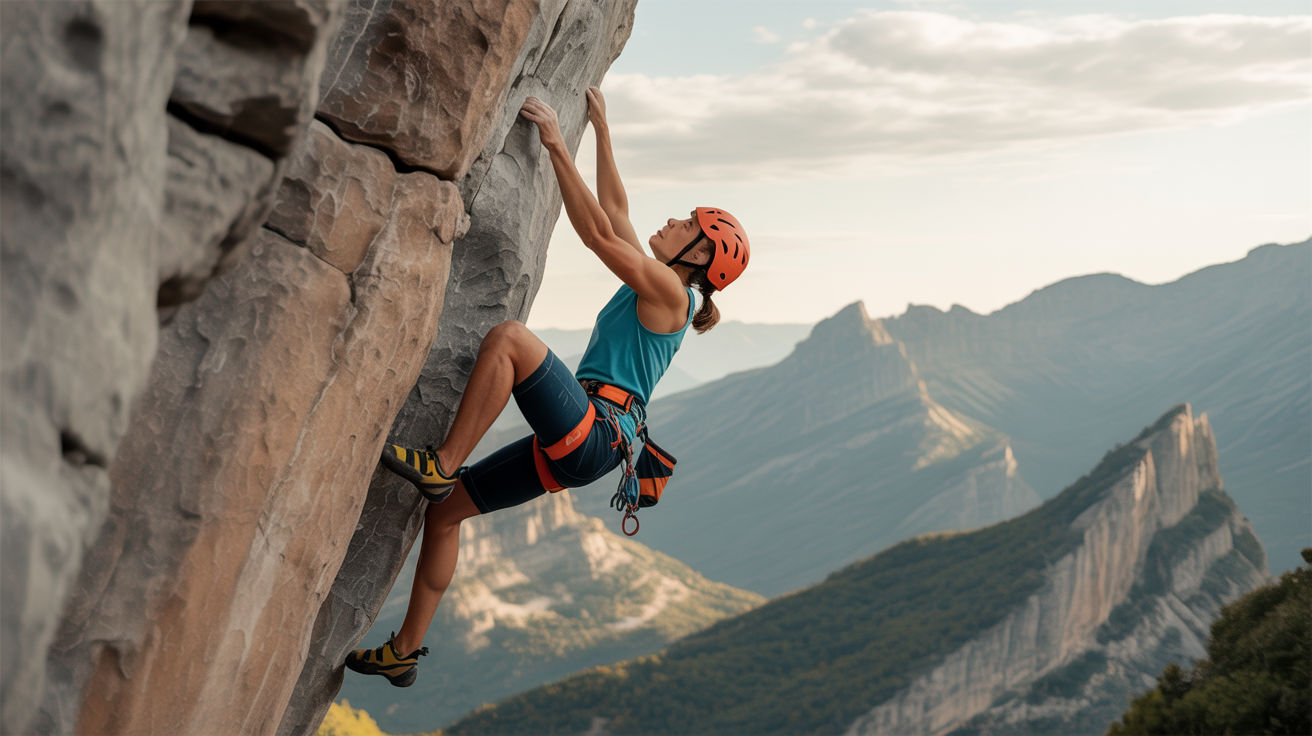
Rock climbing looks intimidating from the outside. People hanging off vertical walls, chalky fingers, tight shoes. But here is the honest answer: it is one of the most beginner-accessible sports you can walk into today. You do not need to be strong, fearless, or in any particular shape to start, and your first session at a gym can genuinely be fun.
That said, climbing has layers. Some things come quickly; others take months of patient practice. Knowing which is which before you walk in the door will save you a lot of frustration.
What Makes Climbing Easy for Beginners
Gyms Are Built for New Climbers
Modern climbing gyms set routes specifically for people who have never touched a wall before. The easiest bouldering problems and top-rope routes are designed so that a person with no fitness background can complete them. The holds are big, the moves are obvious, and the walls are rarely vertical at the start. Route setters want beginners to succeed. That is not charity; it is how gyms keep members.
On your first visit, you will almost certainly get up at least one wall. Most people get up several. That feeling of reaching the top, even on a V0 or a 5.6, is genuinely satisfying. It is real climbing, not a simulation of it.
If you want to understand how different formats compare before you show up, our bouldering vs top-rope vs lead climbing guide breaks down the differences clearly.
No Special Fitness Required
This is the myth that stops a lot of people: "I need to get stronger before I try climbing." You do not. Beginner routes are designed to be climbable on technique, not brute force. In fact, many experienced climbers will tell you that muscling through moves is a sign of bad technique rather than useful strength.
What you need is reasonable mobility and a willingness to move your body in unfamiliar ways. That is all. Climbing builds the specific strength you need as you go. Trying to train it beforehand, especially finger-intensive exercises like hangboarding, before your tendons have adapted is one of the most common ways beginners get hurt.
Bouldering Is the Most Accessible Starting Point
Bouldering, which means climbing short walls without ropes or harnesses, is where most beginners start, and for good reason. There is almost no gear required (the gym provides rental shoes, and there is chalk at the wall). You can walk up and try a problem whenever you want. The walls are low enough that falling onto the thick crash pad below is part of the process, not a crisis.
You can start bouldering your first day with zero experience. The hardest part on day one is figuring out how your feet should work. Most new climbers neglect their feet entirely and rely on their arms, which tires them out quickly. Getting comfortable with the sensation of being off the ground is the other early hurdle, and it fades faster than most people expect.
What Takes Time to Develop
Technique Comes Before Strength
The most common beginner mistake is climbing with arms when you should be climbing with legs. Your legs are far stronger, and skilled climbers use them constantly. Learning to trust your feet on holds, shift your weight properly, and use your hips to stay close to the wall takes weeks of deliberate practice before it starts to feel natural.
You will not master any of this in one session. But you will feel the improvement from session to session, and that steady progression is one of the most satisfying parts of climbing.
Finger and Grip Strength Must Come Slowly
Climbing puts unusual stress on the tendons and pulleys in your fingers. Unlike your biceps or legs, these structures take a long time to condition. Many people need six months or more of regular climbing before their fingers feel genuinely robust.
This matters because the temptation to train harder comes exactly when you start feeling good. Resist it. Pulley injuries are the most common overuse injury in climbing, and they can sideline you for months. Let your connective tissue catch up to your enthusiasm.
A reasonable starting point: two or three sessions per week, with rest days in between. Your skin will also need time to toughen up. Soft fingertips on rough holds is one of the least-mentioned realities of early climbing, but it is real and temporary.
Harder Grades and Lead Climbing Are a Separate Journey
Bouldering and top-rope climbing at beginner grades are accessible from day one. Pushing into harder territory, say V3 and above in bouldering or 5.10 and beyond on the rope, takes months of consistent practice. That is not a discouragement; it is just an accurate timeline.
Lead climbing, where you clip the rope into bolts as you go up, is a separate skill with real safety implications. You need to learn it hands-on from a qualified instructor or experienced mentor. Reading about it is not enough. The same goes for belaying, which is the technique for managing your partner's safety rope. Every gym offers lead and belay courses, and taking them properly is non-negotiable. This is not a place to cut corners.
A Realistic Timeline for New Climbers
Here is what most beginners can realistically expect:
- First session: You get up beginner walls, fall off harder ones, and feel your forearms pump out by the end. You have fun.
- Weeks 2 to 4: You start noticing your feet more. Routes that felt impossible now feel possible. You are sore in new places: lats, fingers, forearms.
- Months 1 to 3: You complete routes you could not have imagined on day one. You pass your belay test, maybe start trying lead climbing. You know what your weaknesses are.
- Months 3 to 6: You are climbing regularly and improving steadily. You are past the steepest part of the learning curve.
- 6 months to 2 years: You are working on moderate grades, reading routes before you climb them, and the training itself becomes more intentional.
The plateau that discourages people usually hits around three to six months in, when easy progress slows and the work required to move up a grade increases. This is normal. It is not a sign that you have hit a ceiling.
For more on building skill systematically from the start, see our guide to getting better at climbing as a beginner.
Myths Worth Putting Down
"You need to be ripped to climb." False. Strength helps at advanced levels. At beginner levels, technique and body awareness matter more. Some of the strongest climbers at any gym do not look like they belong on a fitness magazine cover.
"You have to be fearless." Also false. Mild exposure anxiety is common and normal, especially on taller walls. Most people find it fades naturally over a few sessions as they build trust in the equipment and their own body. You do not need to suppress fear. You learn to manage it, and that is a skill in itself.
"Climbing is only for young people." People start climbing in their 40s, 50s, and beyond all the time. The sport rewards patience and body awareness, not just raw athleticism.
"If you're not good quickly, it's not for you." Climbing has a steep early learning curve, in the good way. Progress in the first month is often dramatic. After that it levels out and requires more patience. Both phases are part of the same sport.
How to Set Yourself Up for a Good Start
Getting started the right way makes a real difference. Our beginner guide to rock climbing covers the full picture, but the short version is this:
- Start at a gym with a proper beginner orientation
- Rent shoes before buying — your preferences will shift as your technique improves
- Take a belay course from a gym instructor, not a friend who skips steps
- Climb two to three times a week rather than five
- Avoid hangboards and dedicated finger training for at least your first six months
The sport rewards consistency over intensity at the beginning. Show up regularly, try hard in each session, and rest enough to let your body adapt.
FAQ
Is rock climbing hard for someone with no fitness background?
Not at the beginner level. Gyms set their easiest routes to be completable without prior experience or exceptional fitness. The main adjustment is learning to use your legs and feet, which is a skill issue, not a strength issue. Your fitness will develop through climbing itself.
How long does it take to get good at rock climbing?
That depends on how often you climb and what "good" means to you. Most people feel genuinely comfortable on beginner-to-intermediate routes within three to six months of climbing two or three times per week. Moving into harder grades beyond that takes longer, often a year or more, and the progress becomes less linear.
Can I start rock climbing if I'm afraid of heights?
Yes, and many people do. Bouldering is done close to the ground and is a natural entry point. Exposure anxiety on taller walls typically decreases with familiarity. If heights are a serious concern, start with bouldering and let your comfort grow at its own pace. There is no deadline.
Is bouldering harder than top-rope climbing?
The climbing itself is often more physically intense in bouldering because the problems are shorter and more demanding move-for-move. There is no rope catching you gradually, just a crash pad below. Top-rope climbing tends to feel more approachable for people who are nervous about falling. Neither is strictly harder for a beginner; they develop different skills and many climbers do both.
Should I train my fingers before I start climbing?
No. Your finger tendons and pulleys need time to adapt through actual climbing before you add specific finger training. Hangboards and intensive finger exercises before that adaptation phase significantly raise the risk of pulley injuries. Climb regularly for at least six months before considering any dedicated finger training, and even then, get guidance from a coach or experienced climber who can assess your readiness.