Rock Climbing for Beginners: How to Get Started
Learn how to start rock climbing safely and confidently — find a gym, take an intro class, and discover what your first session will really feel like.
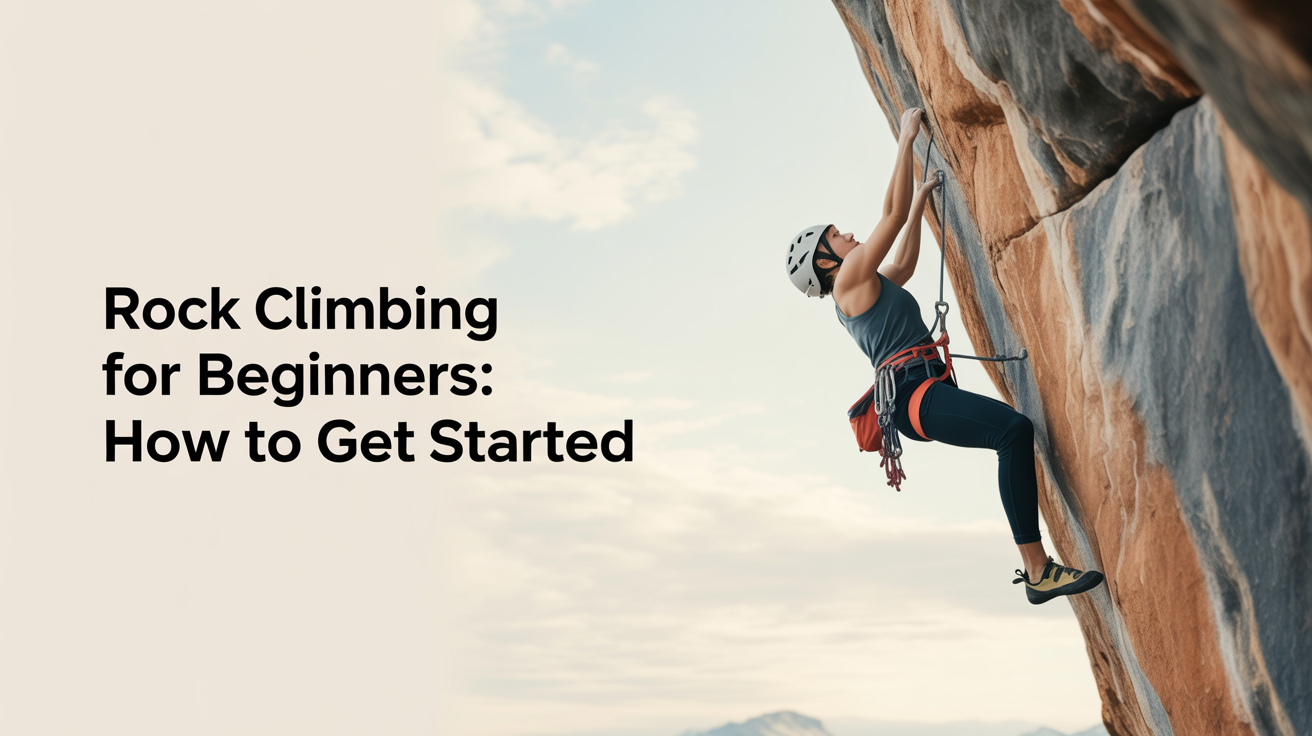
Rock climbing is more accessible than it looks. Most beginners walk into a gym, rent shoes, and are moving up the wall within an hour, no ropes, no harness, no prior experience required. The sport has a learning curve, but the very first steps are genuinely manageable for almost anyone who is reasonably mobile and curious.
This guide covers exactly what getting into rock climbing looks like: which style to try first, how to find a gym, what an intro class involves, and what to bring (or rent) on day one. Safety is woven throughout, because climbing is a skills sport and those skills are best learned in person from qualified instructors, not from an article.
At a Glance
- Two beginner-friendly entry points exist: bouldering (no rope, no partner) and top-rope (rope, harness, and a belay-certified partner or auto-belay).
- A first gym visit typically costs $25 to $45 with rentals included, and requires no advance experience.
- Belay certification is a short, mandatory course (usually under two hours) before a gym lets you belay another climber.
- Expect forearm fatigue before cardio fatigue. It's the most common first-session surprise.
- Skip hangboards and campus boards entirely for at least your first year; undertrained finger tendons are the most common source of early injury.
- Outdoor climbing is a separate skill set from gym climbing and is worth building toward, not starting with.
The Two Friendliest Ways to Start
New climbers almost always begin with one of two formats: bouldering or top-rope. Both are excellent for beginners, and most modern climbing gyms offer both under the same roof. If you want to understand how they compare before you go, this breakdown of climbing styles lays out the differences clearly.
Bouldering
Bouldering means climbing short, steep routes (called "problems") without a rope. The walls typically top out around 15 feet, and thick foam pads cover the floor beneath you. Because there's no rope system to learn, bouldering has almost zero barrier to entry. You rent shoes, dust your hands with chalk, and start climbing. Falls happen, but they land on those pads, and part of what you learn early is how to fall safely. Gym staff will show you how.
The routes are color-coded by difficulty. Beginners usually start on the easiest grades and work their way up over weeks and months. Progress is very tangible, and the community culture at bouldering gyms tends to be unusually welcoming.
Top-Rope
Top-rope climbing uses a rope anchored at the top of the wall. A partner on the ground feeds slack through a belay device as you climb, then catches you if you fall. The protection is excellent; a fall on top-rope typically results in little more than swinging in the air for a moment. According to Wikipedia's overview of belaying, correct technique lets a belayer arrest the full weight of a falling climber with relatively little force, which is exactly why the skill has to be taught properly rather than picked up by guesswork. The downside is that both partners need to know how to belay before climbing together.
Most gyms offer a belay certification course, usually a two-hour class, that teaches you to tie in, operate a belay device, and communicate with your partner. You cannot belay unsupervised until you pass the gym's certification. This is a feature, not a bureaucratic hurdle. Belaying is a genuine skill with real consequences, and learning it properly from an instructor is non-negotiable.
Finding the Right Gym
A climbing gym is the single best starting environment for a beginner. The walls are maintained for safety, the routes are set by experienced route setters, staff are on hand, and the social atmosphere tends to be supportive. Outdoor climbing involves real anchors, variable rock quality, and hazards that take years of experience to manage. The gym is where you build the foundation first.
Look for a gym that offers:
- A dedicated beginner or intro session (sometimes called "First Climb" or an orientation)
- Rental shoes and a harness (bouldering requires only shoes; top-rope requires both)
- Clear grade markings on all routes
- Staff or instructors on the floor during busy hours
- Rental gear that looks and feels well maintained; frayed harness webbing or worn belay devices are a red flag worth asking staff about directly
If you're not sure how to evaluate options in your area, this guide to choosing a climbing gym walks through what to look for. Most gyms offer a day pass that includes rentals. A full first session usually costs somewhere between $25 and $45 depending on location, which is a low bar for trying something new. Many gyms also sell discounted "intro bundles" that combine a day pass, rental gear, and the orientation class for a flat rate, which is worth asking about at the front desk before you pay for each piece separately.
Taking an Intro Class
Booking an intro class or orientation is the smartest move you can make as a beginner. Gyms offer these for good reason: they get you moving safely faster, they introduce gym etiquette, and they answer the questions every new climber has but feels awkward asking.
A typical intro session covers:
- How to put on and fit climbing shoes
- Basic footwork and body position on the wall
- How to read a route (what holds count, which direction to move)
- How to fall safely on bouldering pads
- An overview of gym rules and safety culture
Some gyms include a short top-rope intro; others keep it to bouldering until you take the separate belay certification. Either way, you'll finish the session having actually climbed, not just watched a demonstration.
Belaying, lead climbing, and outdoor climbing involve additional skills best learned in dedicated courses. A good gym will encourage you to take those in sequence, and the investment pays off quickly.
What Your First Session Actually Feels Like
Expect some forearm pump. That tight, burning sensation in your forearms after a few routes is completely normal. Your grip muscles aren't used to the load. Most beginners find their forearms give out before their legs or cardio does, which surprises people who come in expecting to be winded.
Your feet will feel awkward in rental shoes. Climbing shoes fit snugger than street shoes, and the rubber sole feels strange on textured holds at first. Within an hour, though, your feet start to learn how to "smear" and "edge" on the wall, two fundamental techniques that make a real difference in how solid you feel.
You'll probably fall off the wall a few times. That's the point. Falls on bouldering pads are softer than they look from the outside, and learning to land with bent knees and relaxed arms is something most beginners pick up quickly. If you're nervous about falling, mention it to gym staff. They can show you low-height practice falls on the spot.
By the end of a first session, most beginners have completed several routes and have a clearer sense of what the sport actually demands. A rough timeline for a typical two-hour first visit: 15 minutes for check-in and rental fitting, 15 to 20 minutes on orientation basics, then the rest split between climbing and rest breaks as your forearms and skin catch up with your enthusiasm. For a more detailed picture of what to expect, this first gym visit walkthrough covers it hour by hour.
Starter Gear: What You Actually Need
You don't need to buy anything to try climbing. Rent first, buy only after you've decided you want to continue. Here's a simple breakdown:
| Item | Rent or Buy? | Notes |
|---|---|---|
| Climbing shoes | Rent first | Rental shoes work fine for months; buy when you're going 2-3x per week |
| Chalk bag + chalk | Buy eventually | Not needed on day one; many gyms sell it at the front desk |
| Harness | Rent first | Required for top-rope and lead; not needed for bouldering |
| Belay device | Buy when certified | Only matters once you can belay; your gym may sell one |
Avoid buying a full kit before you've tried the sport. Climbing shoes in particular are sized very differently from street shoes, and fit preferences vary widely. Buying a pair online before you know what you like is usually a mistake.
When you do buy, look for gear carrying a UIAA Safety Label or CE certification. The UIAA has accredited safety testing for climbing equipment since the 1960s, and gyms almost exclusively stock certified harnesses and belay devices for exactly that reason. It's not something you need to research deeply as a renter, since gym rental gear is already certified and inspected on a schedule, but it's worth knowing what to look for once you're buying your own.
One thing to skip entirely as a beginner: hangboards and campus boards. These are training tools designed for experienced climbers whose tendons are already conditioned to the load. Starting hangboard training too early is one of the most common causes of finger injuries, specifically pulley injuries in the ring and middle fingers, that sideline new climbers for weeks or months. Just climb. Your fingers will get stronger naturally, and the risk of early overtraining is real.
Safety as a Beginner
Climbing is statistically safer than many popular outdoor sports, but it's not risk-free. The most common beginner injuries are minor: flappers (torn skin on fingertips), finger tweaks, and the occasional awkward landing. Serious injuries are rare in a gym environment when basic practices are followed.
| Common First-Session Issue | Typical Cause | How to Avoid It |
|---|---|---|
| Forearm pump / grip fatigue | Overgripping holds, climbing without rest | Rest 2-3 minutes between attempts; relax your grip between moves |
| Torn fingertip skin ("flapper") | Rough holds, dry skin, high volume | Moisturize skin between sessions; stop climbing on a hot spot before it tears |
| Ankle or wrist tweak on landing | Landing stiff-legged or hands-first | Bend your knees on landing; let feet and legs absorb impact first |
| Sore fingers or a pulley twinge | Starting hangboard or campus training too soon | Skip finger-specific training for your first several months; build volume gradually |
A few principles worth knowing from the start:
- Gym staff are a resource. Ask questions. Gyms are accustomed to beginners, and staff would rather answer a basic question than have someone get hurt.
- Buddy checks matter. On top-rope, both climber and belayer check each other's systems before leaving the ground: knot tied correctly, harness buckles doubled back, belay device loaded properly. This habit is drilled from day one and should become automatic.
- Ego gets people hurt. Don't try routes significantly above your ability level just because they look interesting. Work up through grades.
- Rest is productive. Tendons and connective tissue adapt more slowly than muscles. Rest days are part of training, especially in the first few months.
If you want a sense of how seriously the climbing community treats safety, the American Alpine Club has published Accidents in North American Climbing every year since 1948, an archive of real incident reports analyzed to help climbers learn from what went wrong. It's aimed at experienced climbers and outdoor accidents specifically, not gym beginners, but it's a useful reminder that the sport's safety culture is built on documented lessons, not vague reassurance.
This article is educational. Belaying, lead climbing, outdoor climbing, and anchor-building are all skills that require hands-on instruction from qualified instructors. No article, video, or guide substitutes for that.
FAQ
Do I need to be strong to start rock climbing?
Not especially. Beginner routes are designed to reward technique over raw strength. Most people are surprised to find that footwork and body positioning matter far more than grip strength at the entry level. Strength develops as you climb more; you don't need to prepare before your first session.
Is rock climbing safe for complete beginners?
In a gym setting with proper orientation and instruction, yes. Gyms control the environment: the holds are secure, the pads are in place, the routes are graded. The main safety variables are things you learn quickly, including how to fall, how to communicate with a partner, and how to check your systems. Take an intro class and ask questions freely.
How long does it take to get good at climbing?
"Good" is relative, but most beginners notice real progress within four to six sessions. By the time you've climbed 10 to 15 times, you'll have a style and technique that looks nothing like your first day. The sport rewards consistent practice over raw athleticism, which makes it satisfying to stick with. For a longer view of the progression curve past the first few months, see how long it takes to get good at climbing.
What should I wear to a climbing gym?
Anything you can move freely in: athletic pants or shorts, a t-shirt or fitted top. Avoid jeans or anything stiff through the hips. Long nails are worth trimming before your first session since they catch on holds and tend to break mid-route. Otherwise, there's no special clothing requirement.
How much does it cost to get started?
A single visit with rentals runs about $25 to $45. Most gyms also sell monthly memberships, generally in the $70 to $100 range, once you know you'll be going regularly. Your own shoes typically cost $80 to $150, and a full harness-and-belay-device setup adds another $80 to $150 if you're planning to top-rope with a certified partner. None of that is required for a first visit; rentals cover everything until you decide climbing is a habit worth investing in.
Can I climb outdoors as a beginner?
Outdoor climbing is a meaningful step up in complexity and hazard from gym climbing. Rock quality varies, anchors require technical skill to build and evaluate, and route finding is not always obvious. Most instructors recommend spending several months in a gym, getting belay certified, and then transitioning outdoors with an experienced mentor or by taking a guided outdoor course. It's absolutely worth working toward, and the gym is the right foundation for getting there.
Is it normal to be scared of heights or falling at first?
Yes, and it fades faster than most beginners expect. A healthy amount of caution around height is normal and even useful. What usually happens is that a few controlled falls onto a pad or a few soft top-rope catches teach your body that the system works, and the fear response settles down within a handful of sessions. If height anxiety feels like it's stopping you from trying, tell gym staff before you start. They're used to walking nervous beginners through low, controlled practice falls first.