Training & Progression
8 guides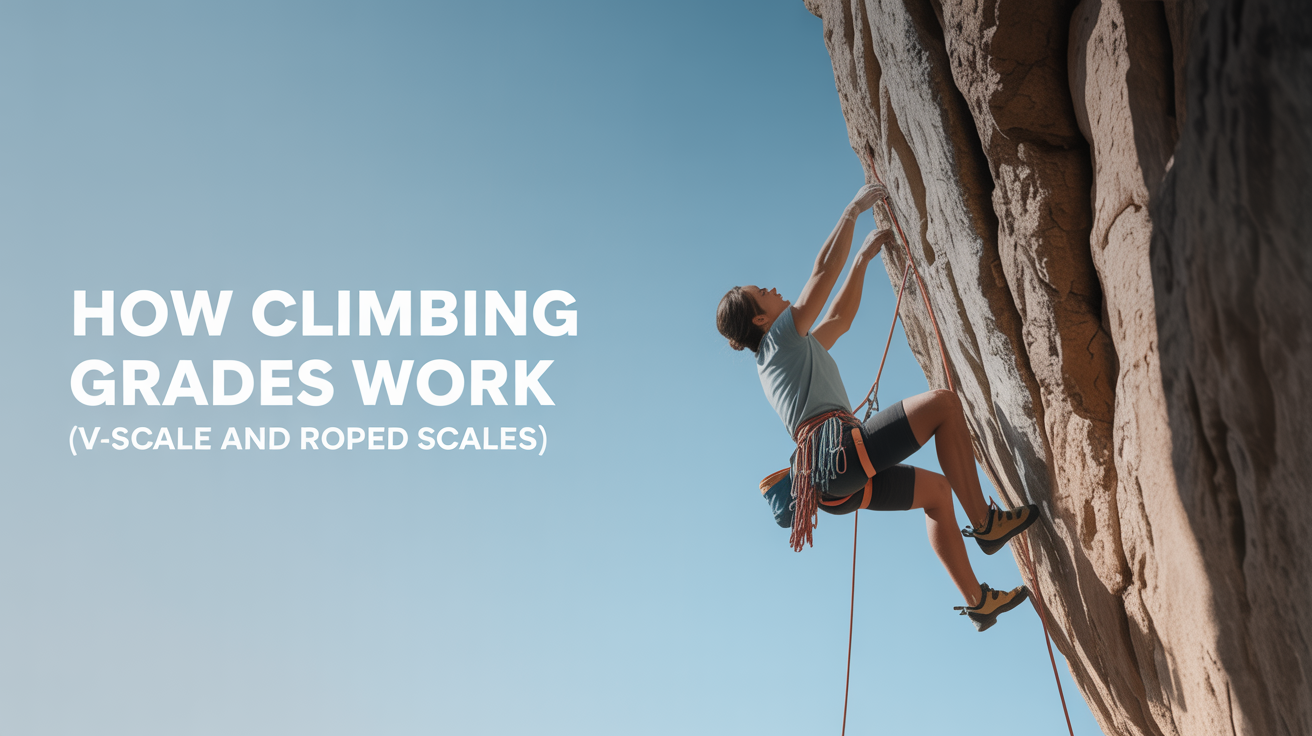
How Climbing Grades Work (V-Scale and Roped Scales)
A plain-language guide to climbing grades explained: the V-scale for bouldering, YDS for roped climbing, and what the numbers actually mean for beginners.
July 2, 2026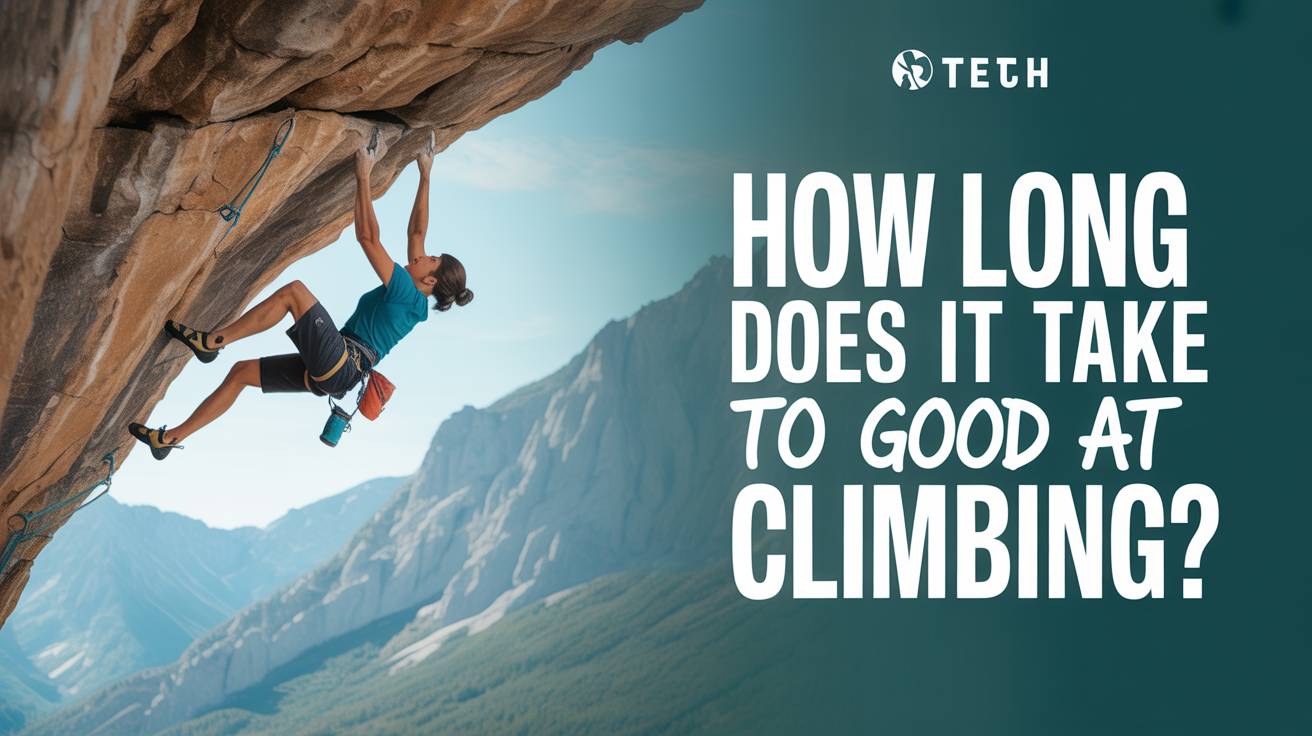
How Long Does It Take to Get Good at Climbing?
An honest look at the climbing progression timeline, the factors that shape how fast you improve, and how to set goals that actually make sense.
July 1, 2026
How Often Should a Beginner Climb?
New to climbing? Learn how many days a week to climb, why rest days matter for tendons and skin, and how to build frequency without getting injured.
June 29, 2026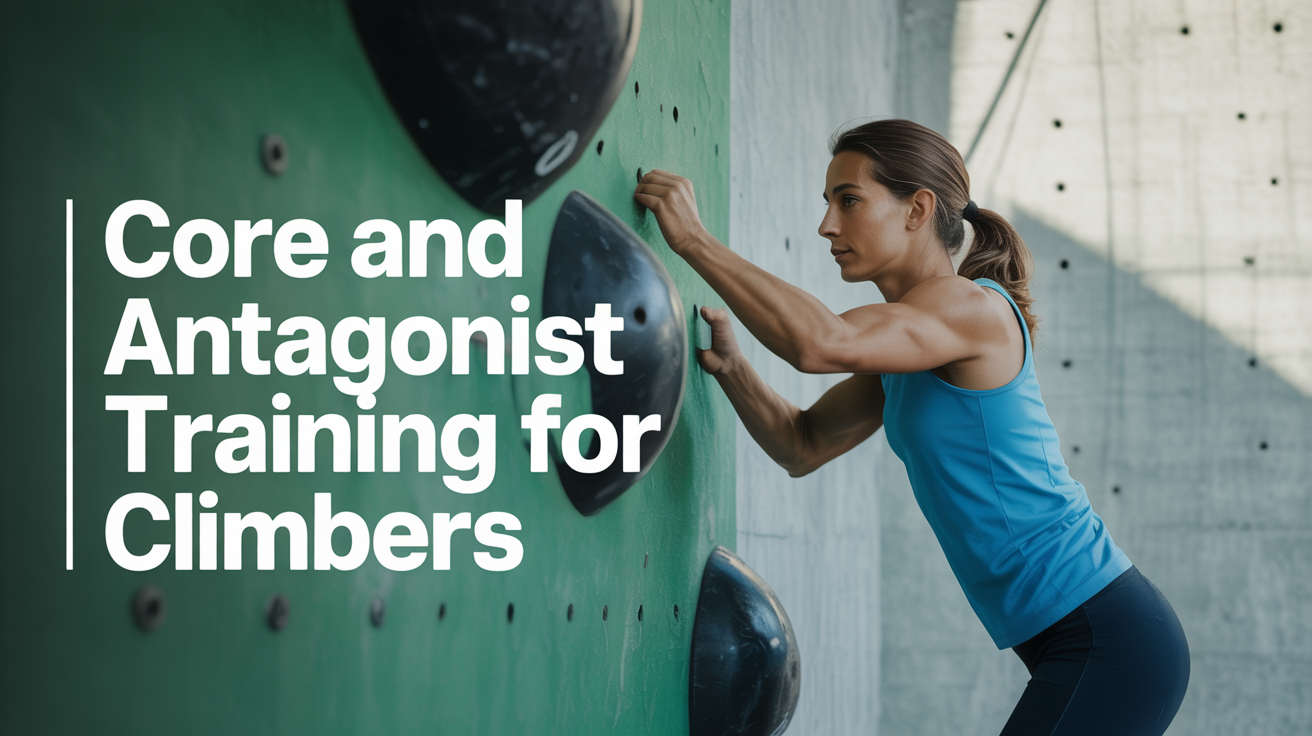
Core and Antagonist Training for Climbers
Climbing overdevelops pulling muscles. Here's how push exercises, wrist work, and core training balance your body and reduce injury risk.
June 23, 2026
Climbing-Specific Strength: What to Train (and What Not To)
A beginner's guide to climbing strength training: what exercises actually help, which ones to skip for now, and a simple plan to build safely.
June 19, 2026
Should Beginners Hangboard? (Why You Should Wait)
Thinking about finger training? Here's why most beginners should skip the hangboard for at least a year and what to do instead to build strength safely.
June 15, 2026
What Is Projecting in Climbing?
Projecting means working a climb that's beyond your current ability over multiple sessions until you finally send it. Here's how beginners can do it right.
June 11, 2026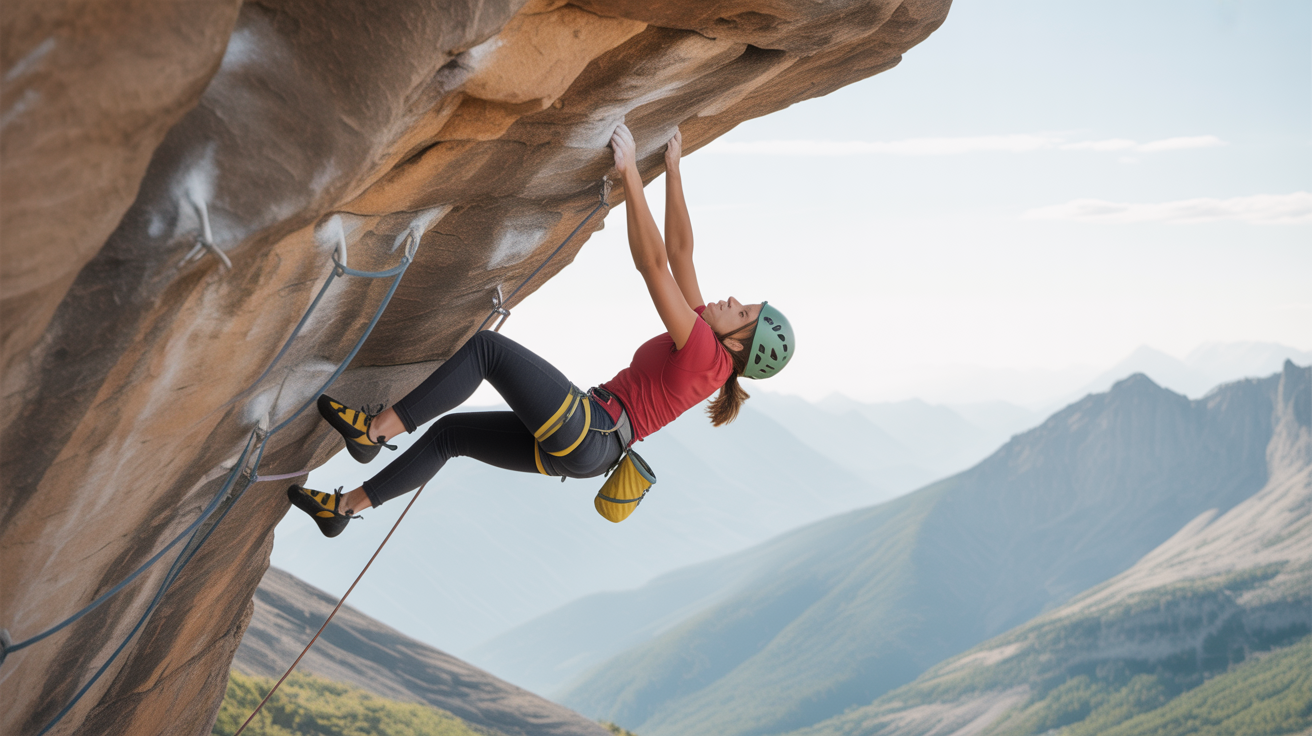
How to Get Better at Climbing as a Beginner
Want to improve at climbing? The biggest gains come from technique and climbing often, not strength training. Here's how to progress as a beginner.
June 7, 2026