How to Find and Choose a Climbing Gym
Learn how to find a climbing gym near you and what to look for as a beginner — gym types, classes, pricing, gear rental, and red flags to avoid.
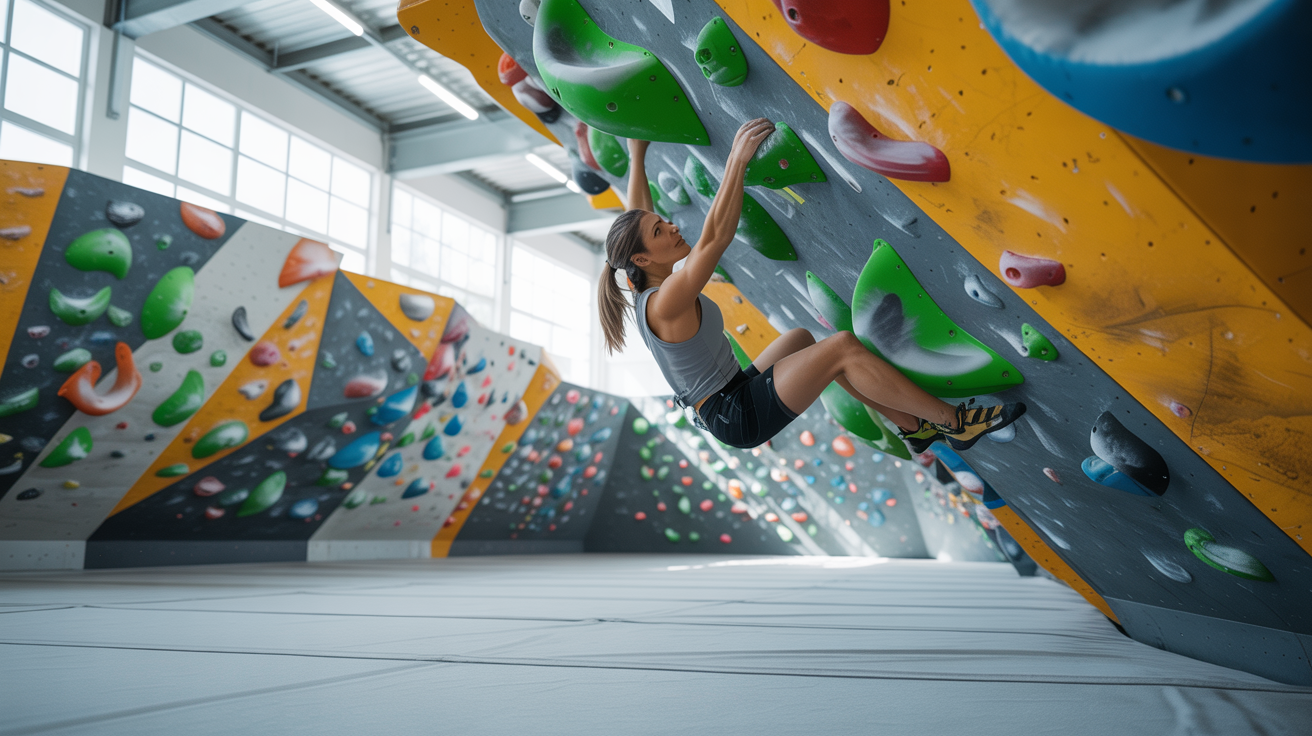
Picking your first climbing gym is one of the best decisions you can make as a new climber, but it is worth doing a little research before you walk in the door. The right gym will have easy routes, solid beginner instruction, and a welcoming community. The wrong one can feel intimidating, leave you unsupported, and cost more than it should. Here is how to sort one from the other.
The Two Main Types of Climbing Gyms
Before you start searching, it helps to know what you are looking for. Most gyms fall into one of two broad categories, and they offer very different experiences.
Bouldering-Only Gyms
Bouldering gyms have short walls, typically 12 to 15 feet, and thick crash pads instead of ropes. You climb without a harness, which removes a whole layer of gear and logistics. These gyms tend to be cheaper, more socially active, and genuinely easier to walk into as a complete beginner. There is no belaying involved, so you do not need a class just to climb on your first visit. If you want to learn the basics fast and spend most of your time actually on the wall, a bouldering gym is a great starting point.
For more on how bouldering fits into the broader climbing picture, see Bouldering vs Top-Rope vs Lead: Climbing Styles Explained.
Full-Service or Roped Gyms
Full-service gyms offer bouldering alongside top-rope walls, lead climbing, and auto-belays. They tend to be larger and give you more room to grow, once you learn to belay, you can climb routes that are 30, 40, or 50 feet tall. The trade-off is that you need to take a belay class before you can climb on the roped walls with a partner. Auto-belays let you get on ropes without a partner, which is a useful option for solo visits.
If you are unsure which type suits you, either works. Many beginners start at a bouldering gym for the simplicity, then migrate to a roped gym later when they want more vertical height.
How to Find Gyms Near You
A quick web search for "climbing gym near me" or "bouldering gym [your city]" is usually enough to surface the local options. You can also check:
- The Climbing Business Journal's gym finder (updated regularly)
- Google Maps, search "rock climbing gym" and browse the results with photos
- Local subreddits or Facebook groups for climbers in your area, where people often recommend their favorites
- The USA Climbing club and affiliate directory if you are in the United States
Once you have a short list, spend 10 minutes reading recent reviews on Google. Look at what people say about the beginner experience specifically, not just the gym overall. A facility beloved by advanced climbers can still be a poor fit if the easy terrain is sparse or the staff ignores newcomers.
What to Look For as a Beginner
Not every gym is equally good for someone just starting out. Here are the factors that matter most.
Beginner Instruction and Belay Classes
This is the single most important thing to check. A good gym offers structured intro sessions, belay certification courses, and knowledgeable staff who are used to helping first-timers. Climbing indoors is generally safe, but belay skills and falling technique are things that need to be taught in person, an article cannot substitute for a qualified instructor. If a gym has no intro programming at all, that is a meaningful gap.
Call or email ahead and ask: "Do you offer beginner classes or intro sessions? How does belay certification work?" A gym that takes that question seriously is a good sign.
Beginner-Friendly Terrain
Look for gyms with a broad range of easy grades. In bouldering that means plenty of VB and V0 to V2 problems. On roped walls, look for 5.5 to 5.9 routes that are actually climbable, not just a token easy route wedged in a corner. Auto-belays are a bonus, they let you get on roped climbs at your own pace without waiting for a partner.
Also pay attention to how often routes are reset. Gyms that set new problems regularly keep the climbing fresh and give beginners more variety to work through as they improve.
Cleanliness and Upkeep
Chalk builds up, pads accumulate grime, and holds get polished smooth over time. A well-maintained gym replaces holds, brushes pads, and keeps bathrooms and changing areas clean. This is easier to spot in person than online, which is one more reason to do a day-pass visit before committing to a membership.
Pricing Structure
Climbing gym pricing varies more than you might expect. Common models include:
- Day passes, a flat fee per visit, typically between $18 and $28 at most gyms
- Punch cards, buy a block of visits (often 10) at a small discount per visit
- Monthly memberships, usually the best value if you plan to climb at least twice a week
- Annual memberships, lower monthly rate, paid upfront
Always ask about student, military, or first-responder discounts. Many gyms offer them but do not advertise prominently. Also check whether gear rental is included in the day pass or billed separately, shoes and a harness can add another $5 to $10 if they are not bundled.
Gear Rental
For your first several visits, renting shoes from the gym makes sense. You do not need to own climbing shoes until you know you are going to stick with it. Check that the rental fleet is in reasonable shape, worn-out, stretched shoes with peeling rubber are frustrating to climb in. Some gyms include shoe rental in the day pass; others charge extra. Factor that into your cost comparison.
Hours, Location, and Community Vibe
A gym 45 minutes away is one you will not visit consistently, no matter how good it is. Proximity matters. Check that the hours work with your schedule, some gyms close early on weekdays or have limited weekend hours.
Beyond logistics, pay attention to atmosphere when you visit. Is the staff friendly when you walk in? Do climbers talk to each other, or does everyone keep to themselves? A social, welcoming gym makes the learning process faster and more enjoyable. You will absorb a lot just by being around people who are willing to share beta and encourage progress.
A Beginner's "What to Look For" Checklist
Use this before committing to a membership:
- Has structured intro classes or orientation sessions
- Offers belay certification for roped walls
- Has plenty of easy grades (VB–V2 bouldering, 5.5–5.9 roped)
- Auto-belays available for solo visits (roped gyms)
- Routes reset regularly, ask how often
- Gear rental available on-site (shoes at minimum)
- Day pass or punch card option before membership
- Clean facilities, well-maintained pads and holds
- Conveniently located and open during your available hours
- Welcoming, approachable staff and community feel
Questions to Ask Before You Join
When you call or visit a gym for the first time, these questions will tell you a lot:
- What does your intro or beginner program include?
- How does belay certification work, and what does it cost?
- How often do you reset routes and boulder problems?
- Is shoe rental included in the day pass, or is it separate?
- What membership options do you have, and is there a trial period or cancellation policy?
You do not need to ask all of these in one conversation, but the answers, and how the staff responds, will quickly tell you whether a gym takes its beginner climbers seriously.
Try Before You Commit
Day passes exist for a reason. Do not let an enthusiastic staff member talk you into signing an annual membership on your first visit. Visit on a day pass, climb for two hours, and pay attention to how the experience feels. Is the beginner terrain actually accessible? Are the staff helpful? Does the gym feel crowded and chaotic or calm and organized?
Most beginners benefit from visiting two or three gyms before choosing one. Your preferences will shift once you have been on the wall a few times. What reads as a great gym on paper can feel wrong in person, and vice versa.
For more on what to expect that first day, see What to Expect at Your First Climbing Gym Visit.
FAQ
Do I need any experience before visiting a climbing gym?
No. Climbing gyms expect and welcome complete beginners. For bouldering, you can usually just walk in, rent shoes, and start on the easiest problems. For roped walls, you will need a belay certification before climbing with a partner, but you can use auto-belays right away at most gyms.
Is climbing at a gym safe for beginners?
Indoor climbing is one of the safer ways to get into the sport, but safety still depends on proper instruction. Learn belay technique and falling skills from a qualified gym instructor, not from a video or article. For an overview of how to approach the sport safely, see Rock Climbing for Beginners: How to Get Started.
How much does a climbing gym membership typically cost?
Monthly memberships range roughly from $50 to $90 per month at most gyms, with annual rates often working out to 15 to 25 percent less per month. Day passes are usually $18 to $28. Prices vary by city and gym size, so check the gym's website or call for current rates.
Should I buy my own gear before joining?
Not at first. Rent shoes from the gym for your first handful of visits. Once you know you enjoy climbing and plan to go regularly, say, once or twice a week, it is worth buying your own pair. A decent beginner shoe costs between $60 and $100 and will last well over a year with normal use.
What is the difference between a bouldering gym and a full-service gym for a beginner?
A bouldering-only gym is simpler to start at: no harness, no ropes, no belay class required. A full-service gym offers both bouldering and roped climbing, which gives you more to grow into but adds a layer of instruction before you can use the roped walls. Either is a good choice, it comes down to how you like to learn and how much vertical climbing appeals to you.