Why Bouldering Is the Best Way to Start Climbing
No partner, no harness, no belay course. Bouldering removes every barrier between you and your first climb. Here's why it's the smartest entry point.
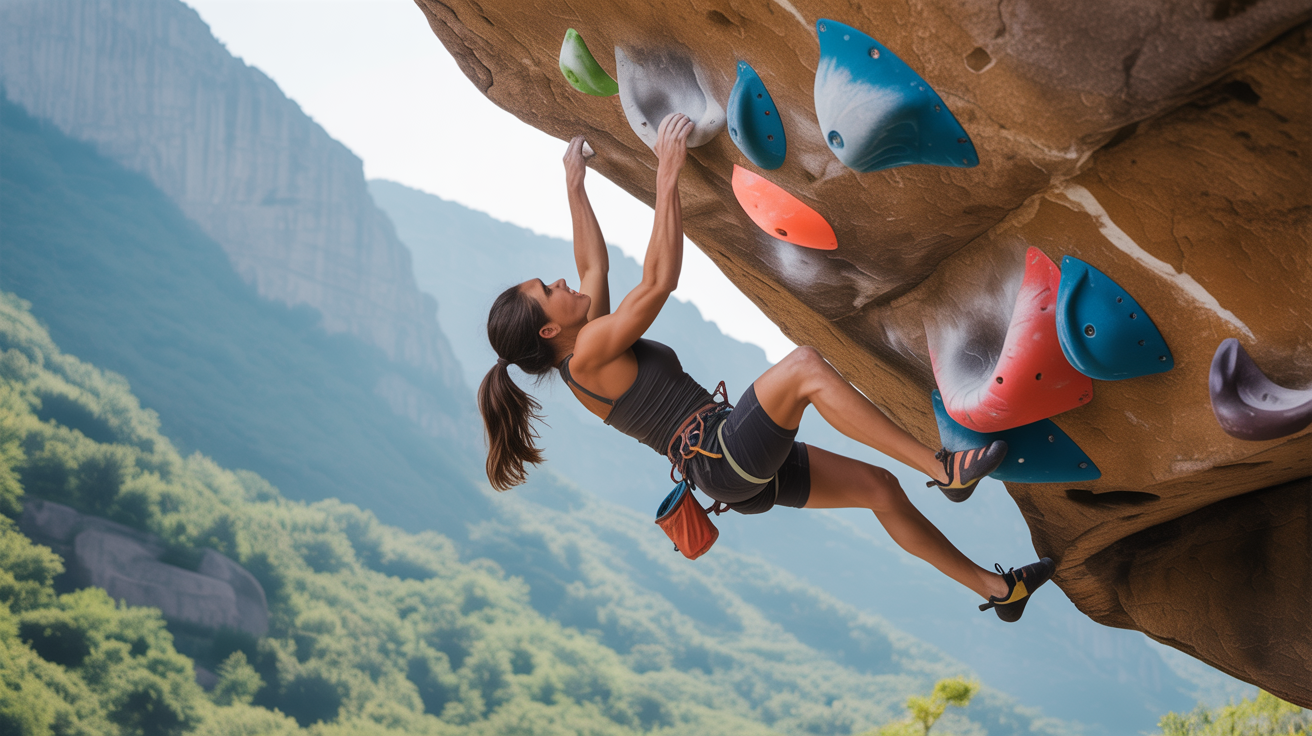
Walk into almost any climbing gym and you'll notice two things: the rope walls look intimidating, and the bouldering area is buzzing. Beginners are scattered across low walls, taking falls, getting back up, and trying the same move again. That energy is not accidental. Bouldering strips climbing down to its most accessible form, and for most people who want to try the sport, it is the fastest way to get on real rock and start learning.
That said, bouldering carries genuine risks. Falls from the top of a boulder problem land you on a padded floor from six to fifteen feet up, and without proper falling technique you can break a wrist or twist an ankle on your second session. The low barrier to entry does not mean low stakes. Before you commit to bouldering seriously, take time to learn how to fall and how to downclimb safely. A few hours with a gym instructor will teach you more than weeks of trial and error.
You Do Not Need a Partner or a Course to Get Started
Roped climbing requires a belayer. That means finding someone available, taking a belay certification course, and coordinating schedules every time you want to climb. For a beginner with no climbing friends, that is a lot of friction before you ever touch a wall.
Bouldering has none of that. Rent a pair of shoes, buy a block of chalk, and you can walk onto the bouldering floor alone. The problems are short, self-contained sequences typically capped at about fifteen feet. You start, you finish or you fall, and you try again. There is no waiting for a partner to show up and no prerequisite course before you can use the space.
This matters for consistency. The biggest predictor of improvement in climbing is how often you climb. Anything that makes it easier to show up regularly will accelerate your progress more than technique alone.
Short Problems Teach Technique Faster
A bouldering problem contains maybe eight to fifteen moves. That density forces you to solve a small technical puzzle on every single attempt. Compare that to a beginner top-rope route where the first thirty feet are easy jugs and the crux is halfway up: you spend a lot of time climbing on autopilot before you encounter anything that challenges you.
On a boulder problem, you might spend twenty minutes on one sequence of four moves. You try a different hip position, a different hand sequence, a different foot placement. Each attempt gives you immediate feedback. That compression of repetition into a short span of movement builds body awareness quickly.
Footwork in particular tends to improve faster in bouldering. Because you are not wearing a harness or managing rope, you can focus entirely on where your feet are going. Gym boulder problems are usually set to demand precise foot placements from the start, even at beginner grades.
For a broader look at what to expect when you first step on the wall, our complete starter guide to bouldering covers gear, etiquette, and how to read a problem.
The Gear Requirement Is Minimal
Top-rope and lead climbing require a harness, a belay device, a locking carabiner, and usually a helmet for outdoor use. A beginner setup costs a few hundred dollars before shoes. Bouldering requires shoes and chalk.
Most gyms rent shoes for a few dollars per session. A chalk bag and a block of chalk run under twenty dollars total. You can try bouldering multiple times before deciding whether to invest in your own equipment. That low commitment threshold means beginners are not locked into a financial decision before they know if they enjoy the sport.
When you do buy shoes, look for a UIAA or CE-rated climbing shoe from a reputable manufacturer. Cheap shoes with no safety rating exist; avoid them. Your feet are your primary contact with the wall and poorly made shoes can fail in ways that cause falls.
The Social Dynamic Is Open and Collaborative
Bouldering areas in climbing gyms tend to be social in a specific way. People stand around between attempts, watch each other work problems, and offer beta (advice on how to do a move) freely. There is a shared vocabulary around trying hard and failing repeatedly, and that shared experience makes it easy to start conversations.
For a beginner, this matters. You will see people of different sizes, ages, and experience levels all working on the same area of the gym. Watching someone else solve a move you have been stuck on is one of the fastest ways to figure out what you are missing. And most climbers are genuinely happy to share what they know.
This culture is not unique to bouldering, but it is most concentrated there because everyone is in the same space, working short problems, and cycling through attempts quickly.
Learning to Fall Is Non-Negotiable
Bouldering falls are real. The padding in a gym is designed to absorb impact, but it does not remove risk. Falls from the top of a V2 problem can reach fifteen feet. If you throw out your hands instinctively or land with locked elbows, you risk a wrist fracture. If you land on the edge of a crash pad or on another climber, you risk worse.
Before you start pushing your grade or attempting highball moves, spend dedicated time learning to fall safely. Most climbing gyms offer short clinics or will pair you with an instructor for an hour. The curriculum is practical: how to tuck your chin, how to roll through impact, how to keep your arms bent, how to read where you will land before you fall.
Downclimbing matters too. The instinct when you run out of holds is to jump. That is usually fine on a gym pad from low on the wall, but it is a habit that can cause serious injuries outdoors. Learning to reverse your moves down the wall is a skill worth building from your first sessions.
Our guide on how to fall safely while bouldering walks through the technique in detail.
Understanding the Grade System Gives You a Roadmap
Bouldering in the US uses the V scale, running from V0 for beginner problems up through V17 for the hardest moves on earth. Gym problems are usually labeled with color coding that maps to these grades, so you always know where you stand.
For a beginner, the grade system is useful because it gives you a concrete sense of progress. You start on V0 and V1, which are designed to be approachable for people with no climbing background. When you can complete most of the V1s in the gym comfortably, you move to V2. That progression is legible and motivating in a way that open-ended skill development often is not.
Grades also help you choose which problems to attempt. Spending most of your time on problems slightly above your current level (where you can complete maybe half the moves) is generally more productive than repeatedly doing problems you can already send or attempting things so hard you cannot make a single move.
Our breakdown of bouldering grades and the V scale goes deeper on what the numbers mean and how gym grades compare to outdoor climbing.
Frequently Asked Questions
Is bouldering safe for complete beginners with no climbing experience?
Bouldering is accessible for beginners, but it is not without risk. Falls are the primary hazard, and learning how to fall correctly in person, before you push your limits, is important. Most climbing gyms offer orientation sessions or short clinics specifically for new boulderers. Taking one before your first session is a reasonable investment of an hour or two.
Do I need my own shoes to try bouldering?
No. Nearly every climbing gym rents shoes at the door, usually for a few dollars per session. Rental shoes are fine for your first several visits. Once you decide to climb regularly, buying your own pair will give you a better fit and more consistent performance, but there is no need to buy gear before you know you enjoy the activity.
How does bouldering compare to top-rope climbing for beginners?
Top-rope climbing requires a belay partner and certification, which adds logistical friction for people just starting out. Bouldering has no such requirements, so you can show up alone and climb immediately. Bouldering also concentrates technical challenge into short problems, which tends to accelerate skill development in the early stages. The main trade-off is that bouldering falls are unprotected, so fall technique matters more from the start.
Can I learn bouldering by watching videos and practicing on my own?
Video resources are genuinely useful for understanding movement concepts, but they cannot teach you to fall safely. That skill requires hands-on practice under supervision, at least initially. For everything else, a combination of in-gym practice and video study is a reasonable approach. Watching climbers better than you work problems you have been struggling with is one of the most efficient learning tools available.
When should I add roped climbing to my practice?
There is no fixed timeline. Many climbers boulder exclusively for months or longer and develop strong technique before adding ropes. If you want to climb outdoors beyond bouldering areas, or if you are interested in longer routes, taking a belay course and learning top-rope or lead climbing is the logical next step. Most gyms offer belay certifications in a single session. Once you are certified, you can start building rope skills alongside your bouldering practice.