Do You Need to Be Fit to Start Climbing?
You don't need to be fit to start climbing. Beginner routes are made for newcomers, and climbing itself builds the fitness you need.
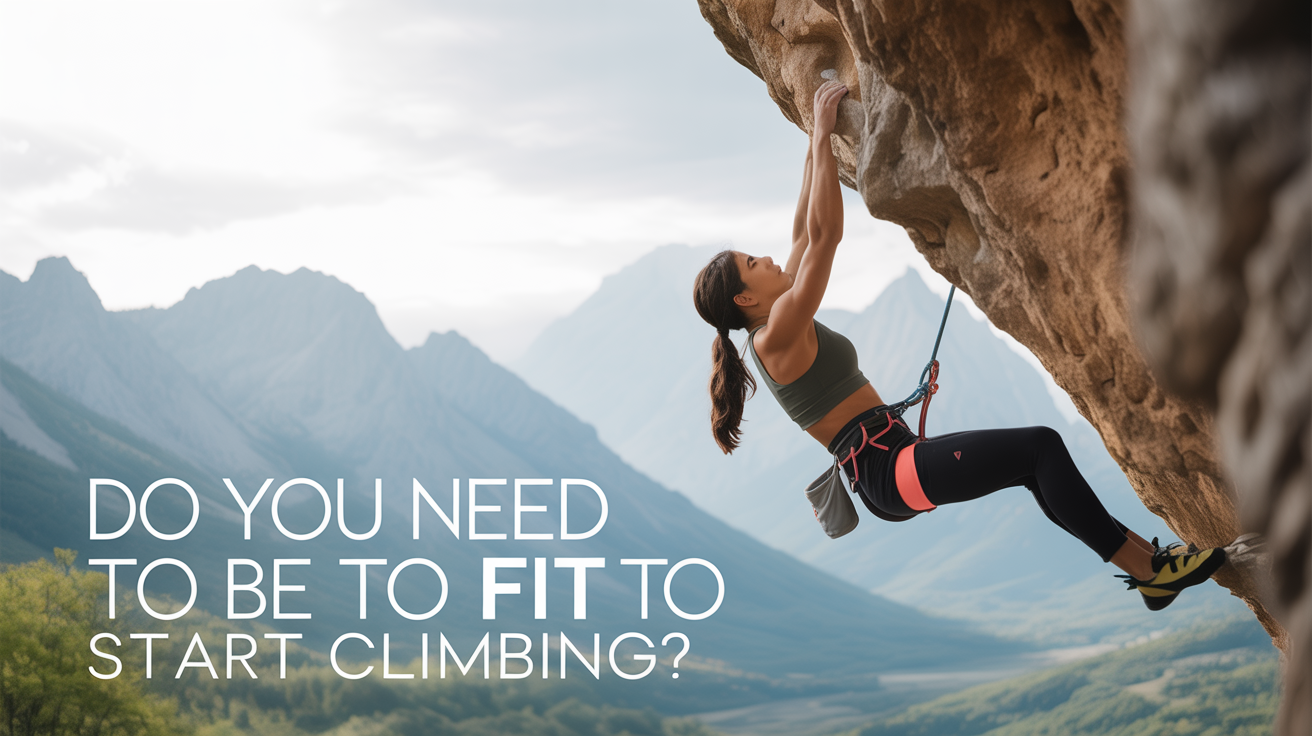
The short answer is no. You do not need a gym membership, a low body-fat percentage, or impressive upper-body strength before you walk into a climbing gym for the first time. That assumption keeps a lot of people from trying the sport, and it's based on a misunderstanding of how climbing actually works at the beginner level.
This guide explains why fitness is not a prerequisite, what you will actually use on the wall, and how to approach your first sessions safely and sensibly.
Beginner Routes Are Designed for Beginners
Climbing gyms grade their routes so newcomers can find lines appropriate for them. In bouldering, the lowest V-grade problems (often labeled VB or V0) are set with big, positive holds and movements that reward balance and footwork over raw strength. On top-rope walls, introductory routes follow a similar logic: holds are large, rest positions are built in, and the sequences are forgiving.
The point of a beginner route is to let someone with no climbing background complete it. Route setters who work in gyms understand this. If you have never climbed before, a VB boulder problem is not going to demand a pull-up strength that most gym-goers would struggle with. It will demand that you trust your feet, keep your hips close to the wall, and move deliberately.
This matters because it means you can show up as you are and make real progress. You are not racing against people who have been training for years. You start at the bottom of the grade ladder and move up as your body adapts.
Climbing Builds the Fitness You Are Looking For
One of the most consistent things new climbers report after a few weeks is that the sport conditions you for itself. Grip strength, shoulder stability, core tension, and footwork precision all develop through the act of climbing, not through prerequisite training before you begin.
Your hands will probably be the first thing you notice. Climbing uses the fingers and forearms in ways that most other activities do not. Expect some fatigue and mild soreness in the first few sessions. That is normal and not a sign that you are unfit. It is a sign that new muscles are being recruited.
Cardiovascular demands on beginner routes are low. You move slowly, rest between attempts, and are rarely on the wall for more than a minute at a time. If you can walk up a flight of stairs without serious difficulty, your cardiovascular baseline is adequate for starting.
Over weeks and months, climbers develop a specific kind of functional fitness: tension through the torso, pulling strength in the back and arms, and precise hip and foot placement. None of this needs to exist before you start. It accumulates because you climb.
Technique Matters More Than Strength at the Start
A common mistake first-timers make is trying to pull themselves up with their arms. Watch an experienced climber on a moderate route and you will see something different: most of the work happens through the legs, and the arms mostly guide and stabilize.
Your legs are substantially stronger than your arms. A beginner who learns to drive through their feet, keep weight over their shoes, and use their arms for balance will climb longer and more efficiently than someone who muscling through every move.
This is genuinely good news if you are worried about upper-body fitness. Good footwork is a skill, not a physical attribute. It improves quickly with practice, and it levels the field considerably.
Rock climbing for beginners covers the fundamentals of movement and what to expect in your first sessions if you want a broader overview before you go.
All Body Types Can Climb
Climbing has a reputation for suiting lean, light-framed people. That is partly a function of elite competition, where power-to-weight ratios become relevant at very high grades. At beginner and intermediate levels, that equation barely applies.
Taller climbers can reach holds that shorter climbers must step higher to access. Shorter climbers often find it easier to keep their hips close to the wall, which improves balance. Heavier climbers develop grip and pulling strength faster because their muscles adapt to the load. Lighter climbers may find easier movement through some sequences.
There is no single body type that is universally advantaged at entry level. The person who improves fastest is usually the one who climbs most consistently, pays attention to technique, and is patient with the learning curve.
If you have a medical condition, a recent injury, or have been inactive for an extended period, check in with your doctor before starting any new physical activity, including climbing. That conversation is worth having before your first session.
Roped Climbing Requires In-Person Instruction First
If you plan to climb on top-rope or lead, you need to learn belaying from a qualified instructor before you get on a roped route. A belay device controls the rope that keeps your partner safe if they fall. Using it incorrectly can result in serious injury or death.
Most climbing gyms offer a belay course or certification test. These typically take one to two hours and cover how to load the device, catch a fall, and lower your partner. Some gyms require you to pass a practical check before you can use the roped walls. Take that seriously, not as a bureaucratic hurdle.
You should also learn to tie in correctly with a figure-eight follow-through knot and perform a partner check before every climb. These habits are non-negotiable for roped climbing. Your gym staff or instructor will teach them alongside the belay course.
Bouldering vs. top-rope vs. lead climbing explains the differences between the main styles and can help you decide where to begin.
If you want to start without any gear or instruction commitment, bouldering is the easier entry point. You climb without a rope, on shorter walls over padded floors, and can do it solo once you understand gym etiquette and basic falling awareness. Most gyms will give you a short orientation on your first visit.
What to expect at your first climbing gym visit walks through what that first day actually looks like so you are not going in blind.
Frequently Asked Questions
Do I need to build upper-body strength before I start climbing?
No. Beginner routes are designed so that leg drive and balance do the majority of the work. Your arms will get tired initially because they are adapting to new demands, but that conditioning comes from climbing regularly, not from training before you begin.
What if I am overweight or have not exercised in a long time?
You can still start climbing. Check with your doctor first if you have any health concerns or have been inactive for a long time. Once you get a green light, start on the easiest boulder problems or lowest top-rope grades, listen to your body, and take rest days. Climbing is low-impact compared to running and is accessible across a wide range of fitness levels.
Is climbing safe for total beginners?
Bouldering is relatively accessible because it requires no rope or partner. Falls land on thick padded mats, and a short gym orientation covers the basics. Roped climbing requires learning to belay from a qualified instructor before you use the walls. Gear should be UIAA or CE certified. Take the gym's belay course, learn the partner check, and do not skip those steps.
How quickly will I see improvement?
Most beginners notice meaningful progress within four to six sessions. Footwork and body positioning improve quickly because they are skill-based. Grip strength and pulling endurance take longer, usually several weeks of consistent climbing. The learning curve feels steep at first and then flattens into a steady progression.
Do I need my own gear to start?
Not at first. Most climbing gyms rent shoes and, for bouldering, that is all you need along with chalk. For roped climbing, gyms usually rent harnesses and belay devices too. Buying your own shoes after a few sessions is worth considering once you know you enjoy it, but rented gear is fine for exploring the sport early on.