Chalk and Chalk Bags: What Beginners Need to Know
Learn what climbing chalk is, the different types available, and how to choose a chalk bag or bucket — practical advice for new climbers.
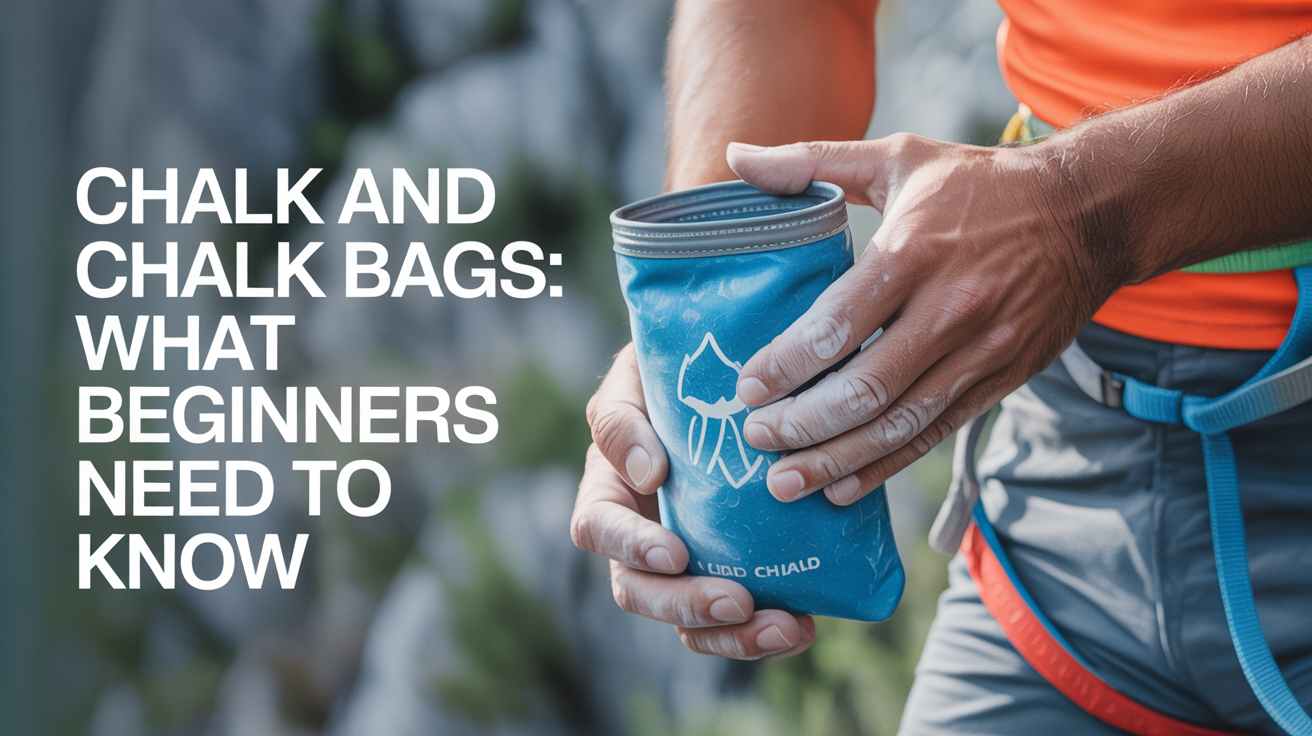
You'll notice pretty quickly that almost every climber at the gym has a small bag clipped to their harness or sitting at the base of the wall. That bag holds chalk, and while it looks like a minor detail, it makes a genuine difference to how your hands feel on the holds. Here's what chalk actually is, why climbers use it, and what a beginner really needs to get started.
What Is Climbing Chalk, and Why Do Climbers Use It?
Climbing chalk is magnesium carbonate (MgCO3). It's the same substance gymnasts and weightlifters use, and it serves the same basic purpose: absorbing moisture from your hands so your skin stays dry and grippy. Your palms sweat, more than you'd expect when you're nervous or working hard, and that moisture reduces friction between your skin and the hold. A light coat of chalk helps offset that.
It doesn't give you superhuman grip. It just keeps sweat from working against you.
One thing worth knowing: chalk works best when applied lightly. A lot of beginners cake their hands heavily, expecting that more chalk equals more grip. It doesn't. A thick layer can actually become slippery and will clog the texture of the holds, making things worse for everyone. Dip lightly, rub it in, and climb.
The Four Types of Climbing Chalk
Not all chalk comes in the same form. Each has its place depending on where you climb and personal preference.
| Type | What It Is | Best For |
|---|---|---|
| Loose chalk | Fine powder, sold in bags | General use; easy to apply |
| Chalk ball | Mesh ball filled with loose chalk | Gyms; less mess and waste |
| Block chalk | A solid chunk you crush yourself | Customizing coarseness |
| Liquid chalk | Chalk suspended in alcohol | Low-dust gyms; strong base coat |
Loose Chalk
Loose chalk is the classic option. It's fine powder that you dip into directly from your bag. It coats your hands quickly and is easy to reapply mid-climb. The downside is that it creates dust, which hangs in the air and settles on every surface around you. Many gyms allow it; some have moved away from it.
Chalk Balls
A chalk ball is a refillable mesh pouch packed with loose chalk. You squeeze it into your palm rather than dipping, which means far less airborne dust. They're a good default for gym climbing, low mess, easy to use, and often the format gyms prefer or require. Most chalk balls can be refilled when they run low.
Block Chalk
Block chalk is magnesium carbonate pressed into a solid block. You break or crush it yourself to get the texture you want. Some climbers like finer powder; others prefer slightly coarser grit. It's common among outdoor climbers and those who like to control the consistency. For a beginner, it's not a priority, loose chalk or a chalk ball is simpler to start with.
Liquid Chalk
Liquid chalk mixes magnesium carbonate with isopropyl alcohol. You rub it onto your hands, the alcohol evaporates quickly, and you're left with a thin, even coat of chalk that bonds well to skin. It produces almost no dust, which is why many gyms now require it or recommend it as a base layer.
If you plan to climb at a gym that restricts loose chalk, liquid chalk is worth having. Some climbers use it as a starting coat and then top up with a chalk ball during the session. It can dry your skin out with heavy use, so don't over-apply.
Chalk Bags vs. Chalk Buckets
The container matters too, and it depends on what kind of climbing you're doing.
Chalk Bags
A chalk bag is a small pouch, usually round or teardrop-shaped, designed to clip onto your harness via a carabiner or belt loop. You dip your hand in while you're on the wall, which is what makes them practical for roped climbing (top-rope and lead). Most have a stiff rim to keep the bag open and a cinch cord to close it when you're not climbing.
For your first sessions at a gym, a chalk bag is the standard choice. You wear it on your harness, clip it off between attempts, and it stays out of your way while you move.
Chalk Buckets
A chalk bucket is a wide, open-topped bag, more like a small duffel or a tub. You set it on the floor at the base of the wall and dip between attempts rather than carrying it with you. They're the standard for bouldering, where you're not clipped into a rope and you come down after every problem.
Buckets are also nice at a shared bouldering pad where a group is working the same problem, everyone can access the same bucket without carrying their own. They often have pockets for a brush and a phone, which is convenient.
If you're mostly bouldering, a bucket makes more sense. If you're mostly on ropes, get a chalk bag. If you're doing both, a bag handles both (you just don't carry it while bouldering).
How and When to Apply Chalk
Less is more, that's the honest takeaway for most beginners.
Dip your hand in and rub the chalk across your palm and the pads of your fingers. You don't need to coat your whole hand, and you don't need to do it before every single move. Chalk between attempts, when your hands genuinely feel sweaty, or at a rest position mid-route where you have a free moment.
Over-chalking wastes chalk and clogs hold texture. It also leaves a thick, powdery residue on the holds that other climbers then have to deal with. A light, even coat is the goal.
Brushing Holds
You'll often see climbers using a stiff-bristled brush on the holds before or after an attempt. That's to clear chalk buildup, both your own and previous climbers'. Excess chalk on a hold can actually make it more slippery, not less, and it degrades the rubber and resin surfaces that give the hold its texture. A quick brush keeps holds feeling the way they're supposed to. Most chalk bags and buckets have a loop or pocket for a brush, and a basic boar-bristle brush is cheap and worth having.
Gym Rules and Dust Sensitivity
Some climbers are sensitive to chalk dust, and gyms are increasingly aware of this. Many facilities now require chalk balls or liquid chalk, or at minimum strongly encourage them, to keep the air quality comfortable for everyone. Check your gym's policy before you buy a big bag of loose chalk.
If you or someone you climb with has respiratory sensitivities, liquid chalk is the cleanest option by a significant margin.
Outdoor crags come with their own etiquette: tick marks (small chalk dots used to spot a hold) should be brushed off when you're done, and excessive chalk on rock can be visible from a distance and damage certain rock types. For now, if you're starting indoors, the gym will guide you on what's appropriate.
What a Beginner Actually Needs
You don't need to buy every chalk format before your first session. Here's a practical starting point:
- A chalk ball or small bag of loose chalk, a chalk ball is cleaner and gym-friendly; loose chalk is fine where allowed
- A chalk bag or chalk bucket, a bag if you're on ropes, a bucket if you're bouldering, or start with a bag since it's more versatile
- A stiff brush, not essential on day one, but useful soon after
That's it. Liquid chalk is a good addition once you know your gym's preferences, but it's not a mandatory first purchase.
For more on what to bring to your first sessions, the guide on climbing gear for beginners covers the full picture, and if you're still sorting out footwear, the overview on how to choose climbing shoes is a useful starting point before you buy.
FAQ
Do I need chalk to start climbing?
Not strictly. Many beginners try a few gym sessions without any chalk and do fine, especially at lower grades where the holds are large and the moves are straightforward. That said, chalk is inexpensive, widely used, and makes a noticeable difference once you start working harder routes or warm, sweaty sessions. Most climbers add it to their kit fairly early.
What type of chalk should I buy first?
A chalk ball is a solid first purchase for gym climbing. It's low-mess, gym-friendly, and lasts a long time. If your gym has no restrictions, a small bag of loose chalk works too. Liquid chalk is worth adding once you know what your gym prefers.
Can I use gymnast chalk or regular chalk for climbing?
Gymnast chalk is the same compound (magnesium carbonate) as climbing chalk, so it works fine. Regular classroom chalk or blackboard chalk is calcium carbonate, a different substance, and you shouldn't use it for climbing. It doesn't help with grip and can make a mess of the holds.
How do I know if I'm using too much chalk?
If your hands look completely white and the chalk feels powdery or slick rather than dry and grippy, you've applied too much. Rub your hands together to work the chalk in and brush off the excess before you get on the wall. Over time you'll develop a sense of how little you actually need.
Is liquid chalk allowed at all climbing gyms?
Liquid chalk is allowed, and often preferred or required, at most climbing gyms because it produces very little dust. It's rarely restricted. Loose chalk is the format more likely to be limited or banned at certain facilities. If you're unsure, check with the gym staff before your first session.